safari activities
In addition to our iconic multi-day safari experiences across East Africa, we offer a variety of unforgettable day activities. Explore the experiences available and make the most of your journey.
game drives
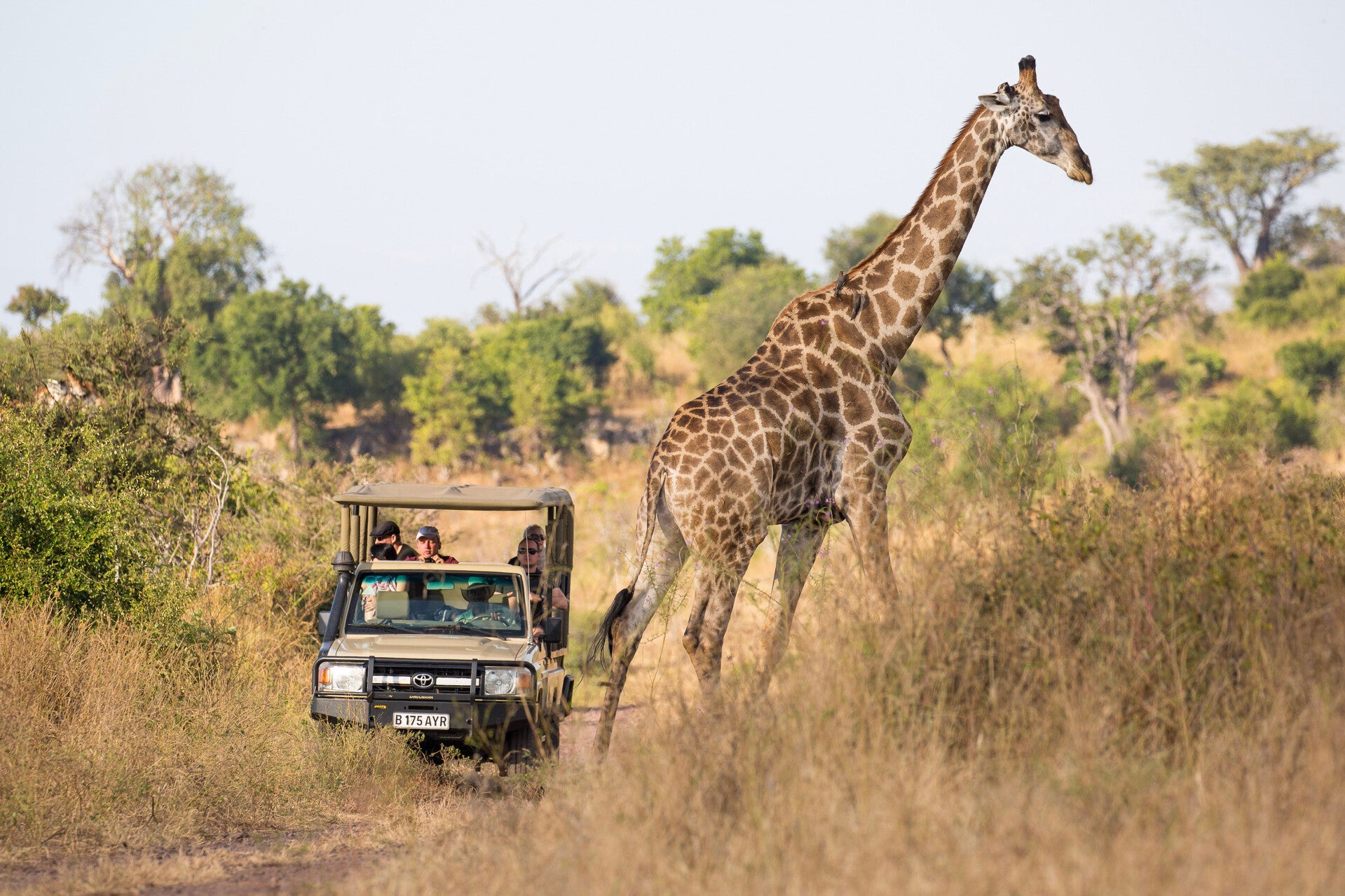
As the name suggests, a ‘game drive’ is an excursion by vehicle in search of wildlife. It is a fundamental part of any African safari and, for many travellers, may be the main activity of their trip. Travelling by vehicle allows guests to cover far greater distances than they could on foot, while most animals are so accustomed to safari vehicles that they can be observed remarkably close up in complete safety.
Game drives are led by an expert driver-guide in a specially adapted 4x4 Land Cruiser-style vehicle, designed to maximise wildlife viewing and photographic opportunities. Vehicles may be fully open, with only a sunshade overhead, or enclosed at the sides with a ‘pop-top’ roof that allows guests to stand for panoramic views. Either way, guests enjoy a front-row seat and clear, unobstructed views of the wildlife.
Night game drives
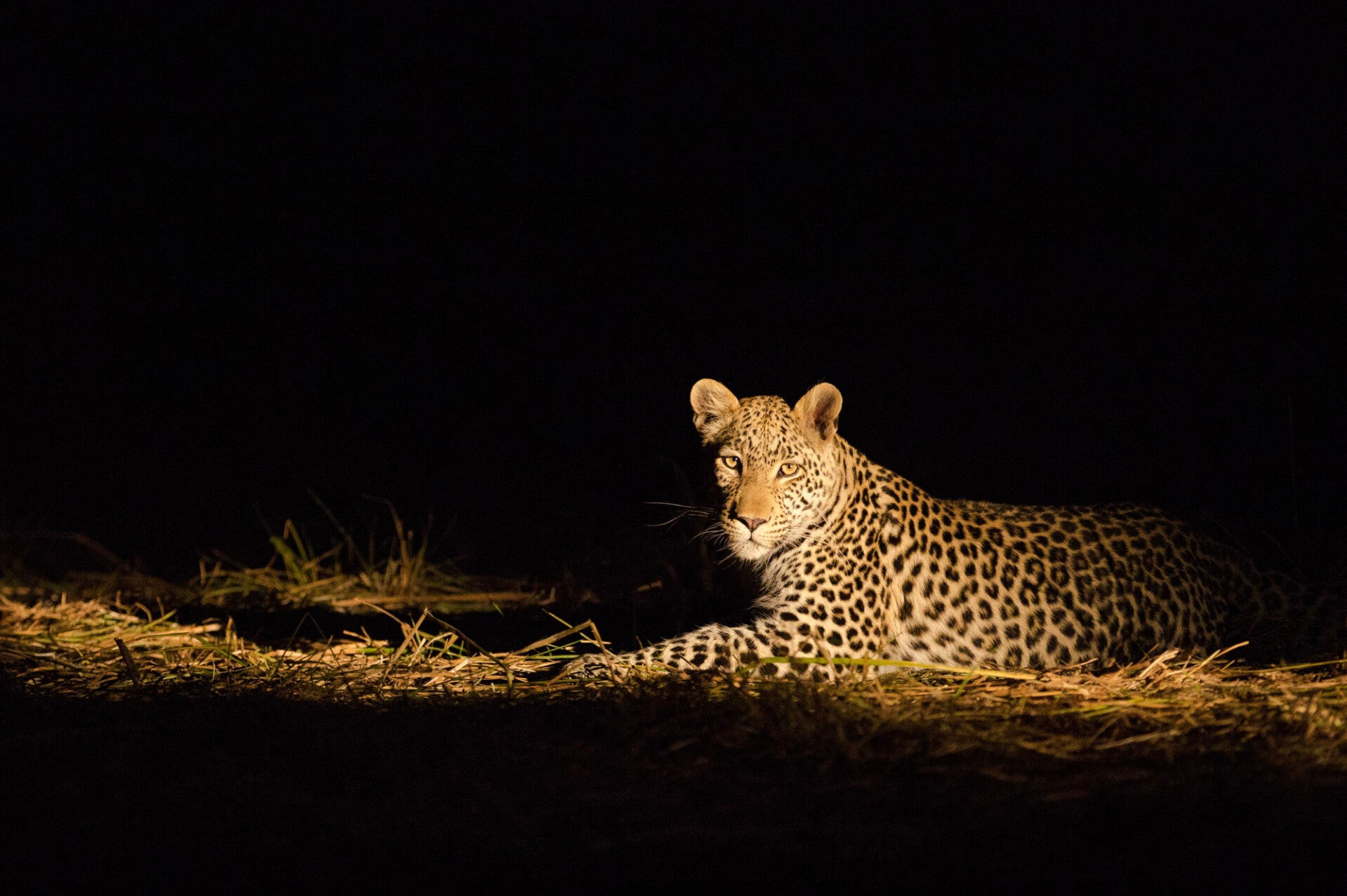
The African bush never sleeps, making dusk and dawn some of the most exhilarating times to be on safari. Antelope emerge to feed in the cool air, hippos leave their rivers in search of fresh grass, and predators such as leopards and lions use the cover of darkness to stalk their prey. Hyenas, meanwhile, prowl for an easy meal. Night drives also offer the chance to encounter an array of nocturnal animals rarely seen during the day, including civets, genets, bush babies, owls, porcupines and, with luck, even an aardvark. Guides use red-filtered spotlights to locate wildlife, as the light reflects from the animals’ eyes without affecting their night vision.
It is worth remembering that there may be long stretches without a sighting, but when wildlife does appear, the experience is often truly special. Guests may enjoy a sundowner in the bush following a regular game drive, before travelling slowly back to camp through the darkness for dinner. Alternatively, they can dine early before setting off from camp after dark for a longer night drive. All night drives are accompanied by an armed park ranger.
walking safaris
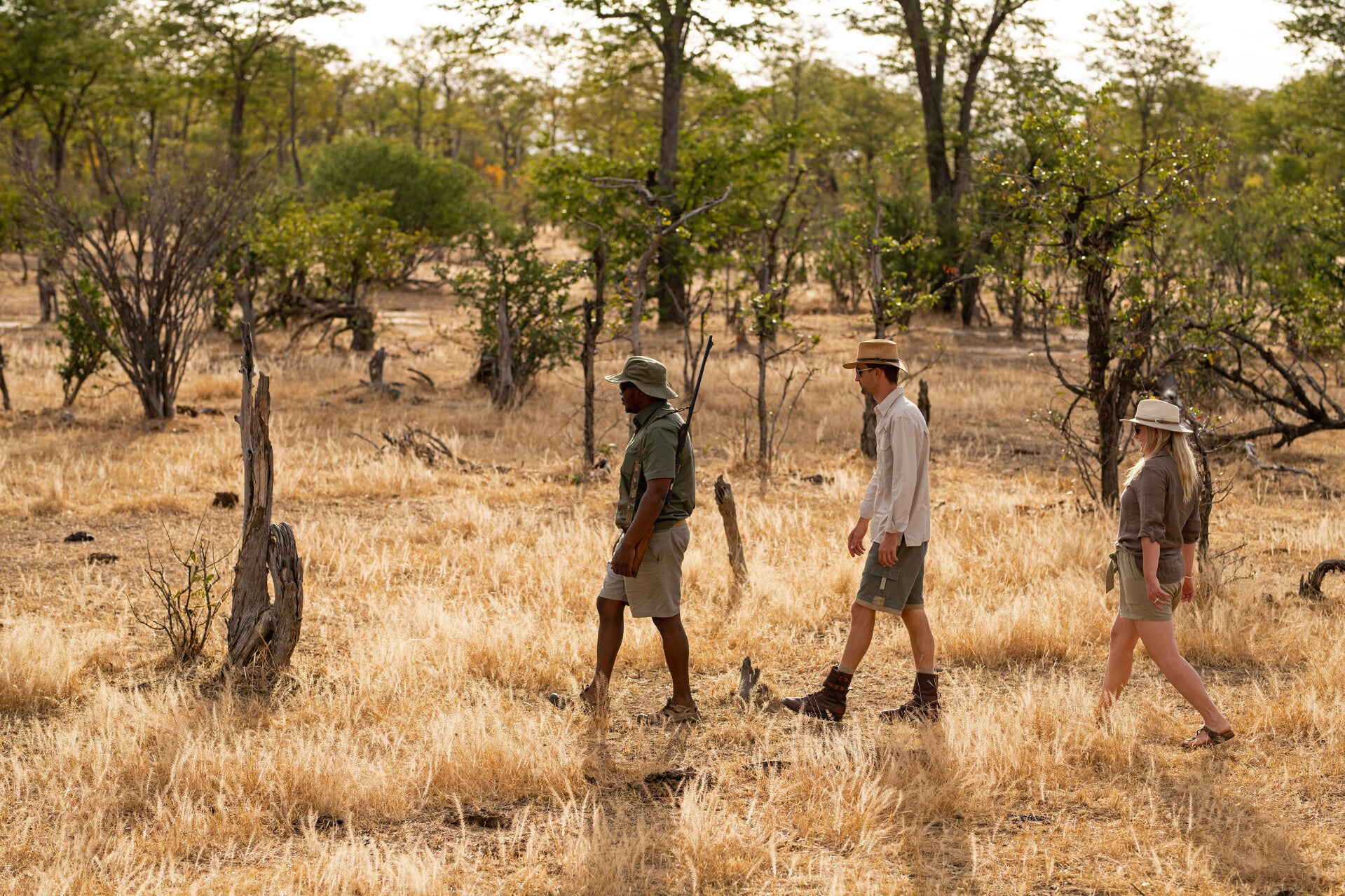
A walking safari is the purest form of safari: an exceptional opportunity to immerse yourself fully in the beauty of Africa and its wild places. It is an experience every adventure-lover should add to their bucket list.
While the format varies slightly between camps, walking safaris typically last between two and four hours and take place early in the morning or late in the afternoon, avoiding the heat of the midday sun. Choosing a walking safari usually replaces the scheduled morning or afternoon game drive.
A basic level of fitness is required, but the pace is gentle and little ground is covered, meaning most interested guests can take part. Exploring on foot offers a chance to appreciate the smaller details often missed on faster-paced game drives. One of the most fascinating aspects is learning how local communities use different plant species for traditional medicines, fly repellents and arrowhead poisons.
You will also uncover the bush’s natural secrets, from animal tracks and bird nests to termite mounds and the finer details of life in the African wilderness. Together, these discoveries reveal the intricate connections within the ecosystem.
Walking safaris are rarely undertaken with the aim of getting close to big game, though it can occasionally happen. The possibility that an elephant or buffalo may emerge from behind a tree at any moment heightens the senses and adds to the thrill. Safety, however, is always paramount. Groups are limited to a maximum of six people, and all participants must be over the age of 12. Walking safaris are led by an armed guide, and in some parks, an armed ranger is also required to accompany the group.
Hot Air Balloon Safari
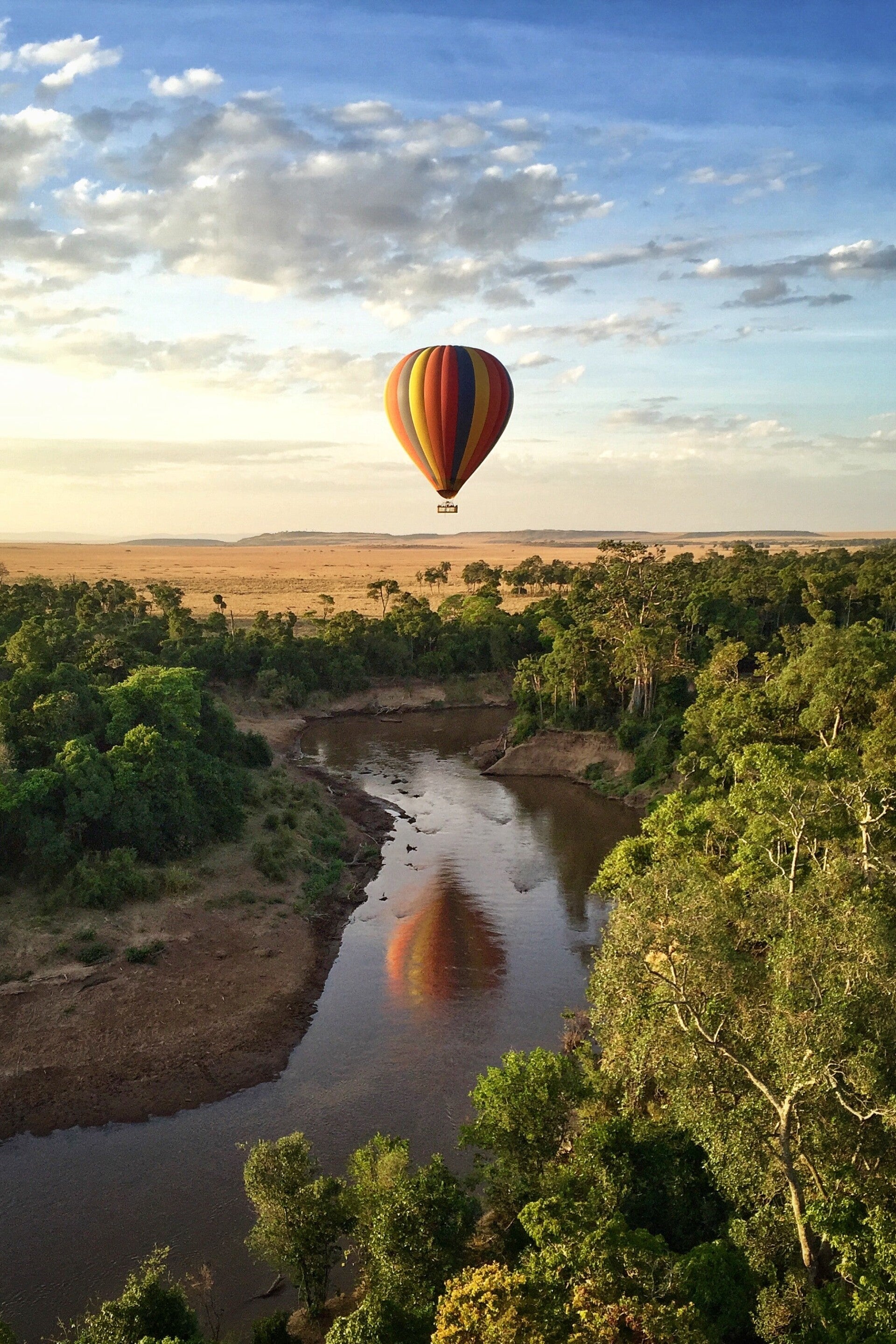
A hot air balloon safari offers a truly unique perspective of the landscape, taking guests to places and revealing sights that simply cannot be experienced from the ground. Drifting silently over the African plains as herds of wildebeest race below, crocodiles bask in the early morning sun and vultures perch atop their nests is sure to be a highlight of any itinerary. Guests are collected before dawn—typically between 4am and 5am, depending on the distance from their camp—and transferred by 4x4 safari vehicle to the launch site. Flights usually take off at sunrise, around 6am, and last just over an hour.
The precise flight path is guided by the day’s weather conditions. On a clear morning, pilots aim to combine a low-level glide over the savanna, ideal for spotting wildlife, with a higher ascent that showcases the vast and magnificent scenery. At the end of the flight, the pilot will land the basket as gently as possible before guests disembark to enjoy a champagne breakfast in the bush—the perfect start to the day.
The spacious wicker baskets are divided into compartments for comfort and security, with each balloon accommodating up to 16 guests. Flights are shared rather than privately booked. For safety reasons, some operators require children to be at least seven years old and taller than 1.2 metres to participate.
While rates may vary slightly, hot air balloon safaris typically cost around US$600 per person and must be booked in advance. If weather conditions are unsuitable for flying, the excursion will be postponed until the following day. Should this not be possible, guests will receive a full refund. We therefore recommend scheduling a balloon flight as early in the itinerary as possible, allowing time to reschedule if needed.
Fly- Camping
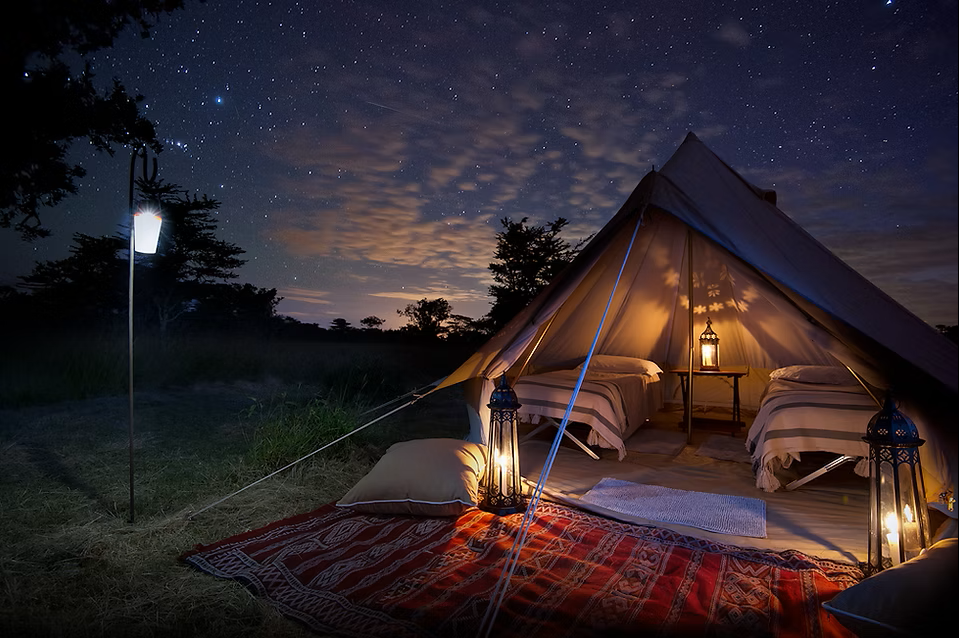
‘Fly-camping’ takes its name from the simple act of sleeping in the wild beneath little more than a fly-sheet. A throwback to the days before luxury safari camps, it offers an immersive, back-to-basics way to experience Africa’s wilderness. Typically, following a walking safari, guests arrive at a private camp for a night spent beneath the stars in a lightweight tent.
It is a magical experience for adventurous travellers seeking to spend a night in the heart of Africa’s wildest places, with only canvas separating them from nature. While guests feel wonderfully close to the sights and sounds of the bush, they are still exceptionally well cared for throughout. Every fly-camping experience is overseen by a highly qualified, armed walking guide. After a safari walk or game drive, guests return to find camp beautifully set up, dinner prepared over an open fire by a personal chef, and an authentic hot bucket shower ready and waiting.
Accommodation is typically either a simple A-frame canvas tent or a mosquito-netted cube, designed to offer uninterrupted views of Africa’s spectacular night sky. A separate bathroom tent includes a bucket shower and a short-drop composting toilet.

Horseback Safaris
A horseback safari offers a completely different way to experience the wilderness. Plains game such as giraffe, zebra, oryx, eland and gazelle do not generally perceive horses as a threat, allowing guests to ride alongside herds and get far closer to wildlife than they could on foot. Exploring on horseback also opens up areas that may be inaccessible by vehicle, making it an excellent option for clients who want to venture off the beaten track. Moving quietly through the bush without the noise of an engine encourages guests to notice more of their surroundings, creating a truly immersive experience. Horse riding is typically offered as a two- to three-hour activity in the morning and/or afternoon, in place of a game drive. Some operators also offer more challenging multi-day rides for experienced riders. While a basic level of riding ability is required, horses are carefully matched to each guest’s experience and confidence level. Guests simply need to wear suitable clothing; all other equipment is provided by the stables. It is worth noting that areas offering horse riding tend to have lower numbers of big cats, as their presence can make horses skittish.
Boating Safaris
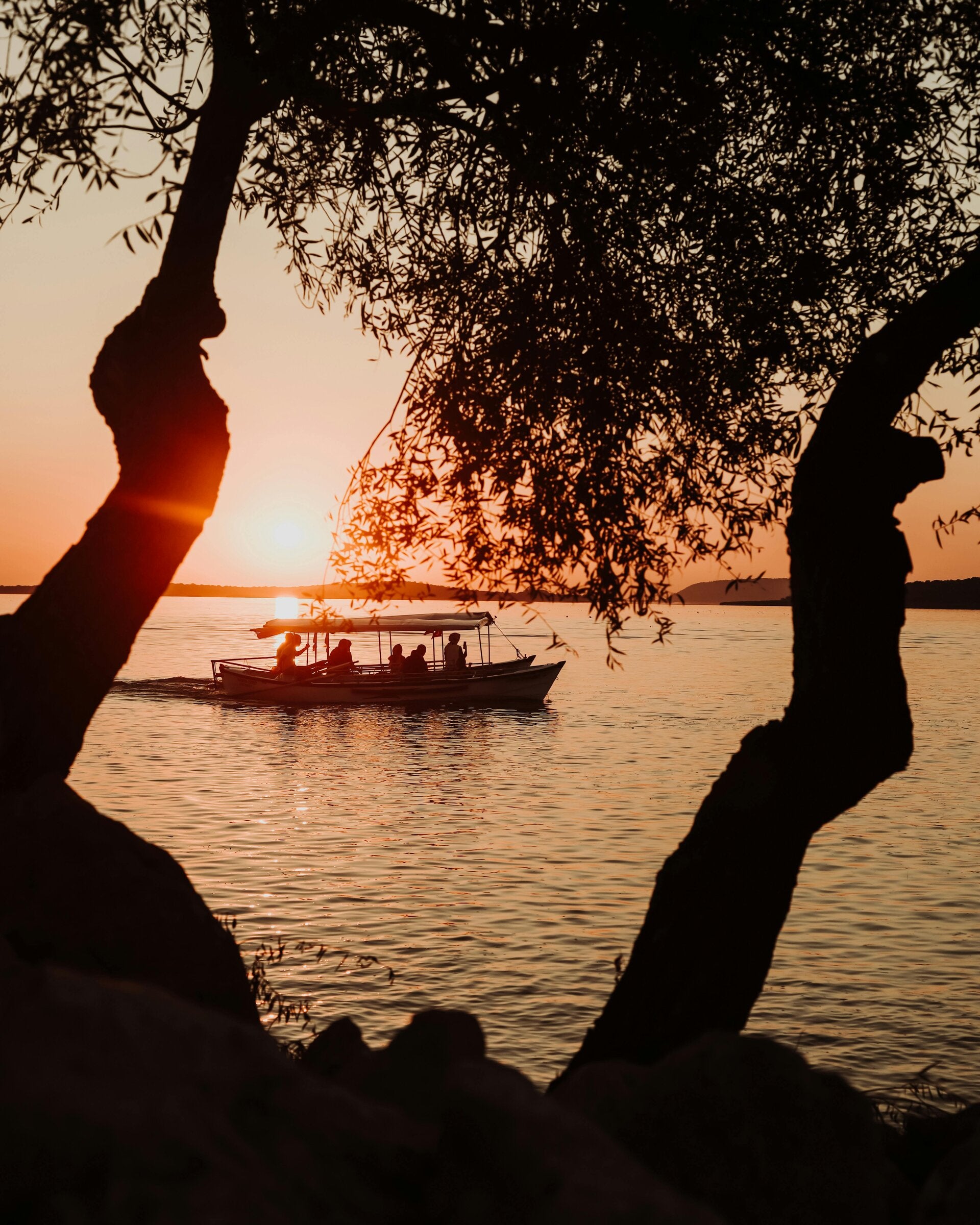
Boat safaris offer travellers a truly unique wildlife experience. Gliding across the water brings guests close to an array of aquatic life, from pods of hippos to crocodiles basking on sun-drenched sandbanks. It also provides an exceptional vantage point for watching other animals come to the water’s edge to drink, alongside an abundance of birdlife.
Led by a professional guide, guests explore the waterways aboard sturdy, motorised metal boats. Each boat is fitted with a sun canopy and open sides for uninterrupted game viewing. While boat sizes vary, groups are typically limited to no more than six guests per boat, ensuring an intimate experience.
Boat safaris generally last two to three hours and take place in the early morning or late afternoon. Ending the day with a refreshing sundowner as the setting sun shimmers across the water is nothing short of magical.
Culture
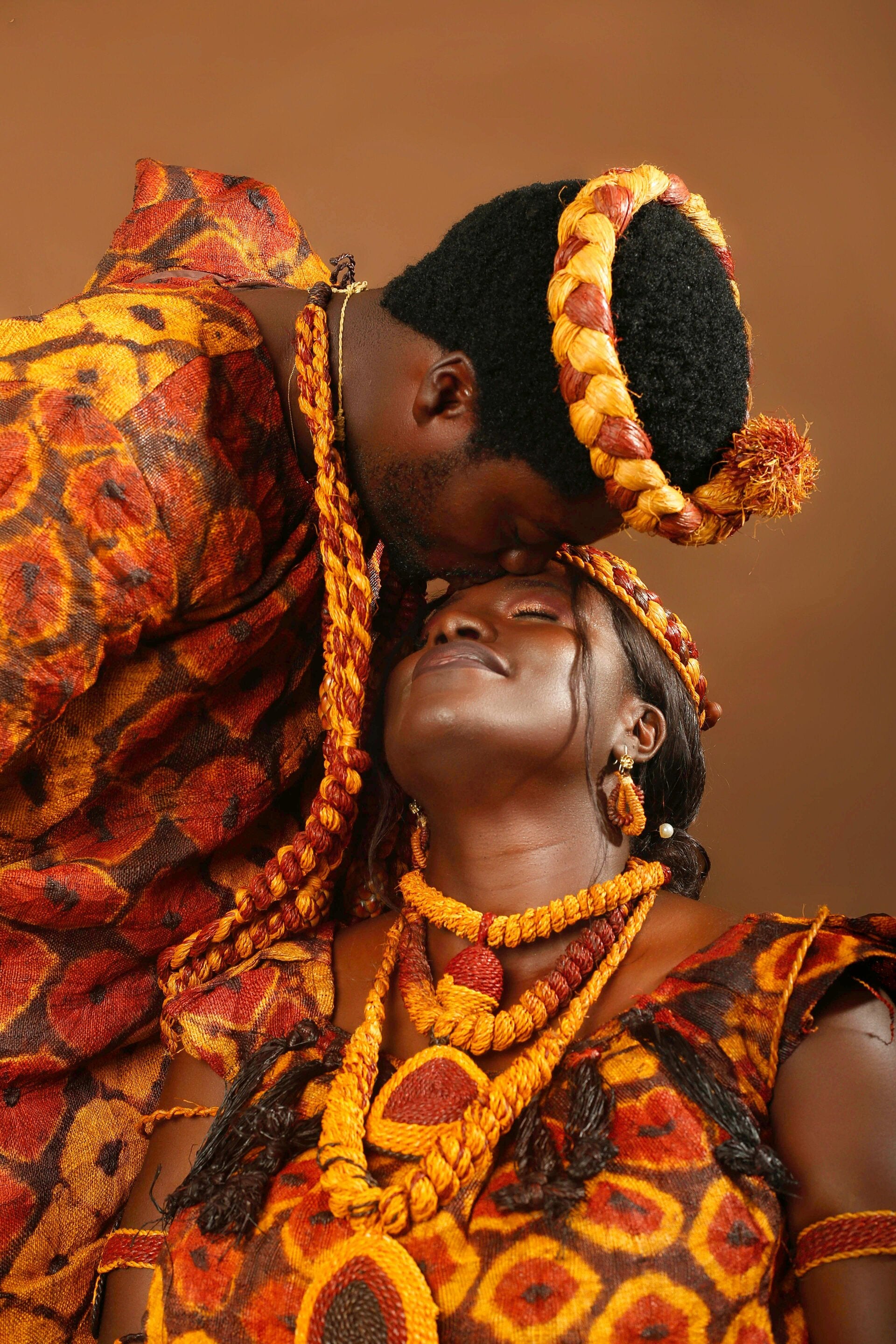
No visit to East Africa is complete without discovering the rich cultures and traditions of its people. As the birthplace of humankind, the region holds an extraordinary fossil record that offers travellers rare insight into our earliest ancestors. Today, East Africa is a vibrant tapestry of cultures that have evolved, mingled and flourished here for millennia.
Kenya is home to more than 40 tribes, while Tanzania has over 120, many with their own distinctive languages, customs and traditions. Although people across both countries embrace the opportunities of the 21st century, they also cherish the cultural heritage that shapes their identities. Exploring these communities gives your clients a deeper understanding of these remarkable places and the challenges they face.
We take a pioneering approach to responsible tourism. By establishing camps and lodges in areas where tourism has little presence, and by making long-term commitments to the people and landscapes around them, we help communities and wild places thrive. At Asilia properties with close ties to local communities, your clients can visit nearby villages and enjoy meaningful, authentic East African cultural experiences.
They may try their hand at herding cattle, barter for goods at a local soko (market), spend time with residents or listen to captivating stories shared by village elders. Many of our guides come from the communities themselves and take great pride in introducing guests to their homes, families, friends, traditions and way of life.
These are not commercial visits to cultural centres; they are genuine expressions of warmth and hospitality. Each visit is sensitively managed by the guide to ensure it remains respectful, unobtrusive and authentic. Meeting local people one-to-one can be deeply personal and moving, while also supporting the communities involved. It is one important step towards creating successful conservation economies.
Birdwatching
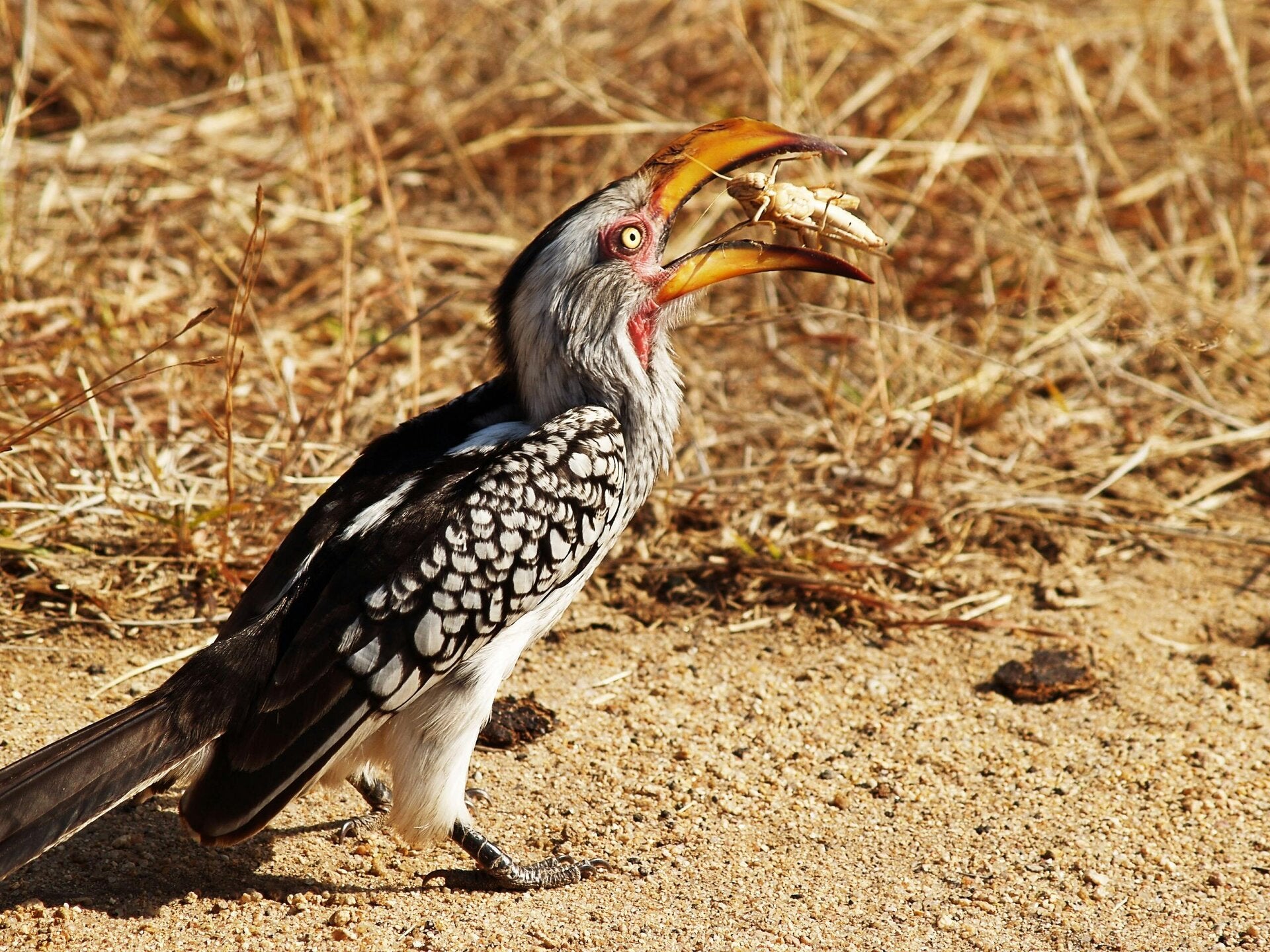
East Africa’s vast range of habitats supports an exceptionally diverse bird population, with more than 1,000 species found across Kenya and Tanzania alone – many of them endemic. Birding is particularly rewarding between November and March, when migratory species from Europe and beyond join the resident birdlife. Many birds are in their striking breeding plumage, while short rain showers transform the grasslands with an abundance of flowers and insects.
Nearly all Asilia properties are located within Important Bird Areas (IBAs), so your clients are sure to discover an impressive variety of species during their stay. Rubondo Island and Nyerere National Park are especially renowned for birdwatching, offering the chance to spot dozens of rare birds.
For clients new to birding, the enthusiasm of our guides and the extraordinary beauty of the region’s birdlife can inspire a lasting new passion. For dedicated twitchers, specialist birding guides can be arranged to seek out endemic and sought-after species to add to their lists.
For more informations about activities at each our our camps, lodges and Hotels please get in contact.